Red Canyon River Trips and the Wyoming River Runs Below Cody
Published
- River
- Shoshone
- Canyon
- Red Canyon
- Short run
- ~7 river miles
- Long run
- ~12 river miles
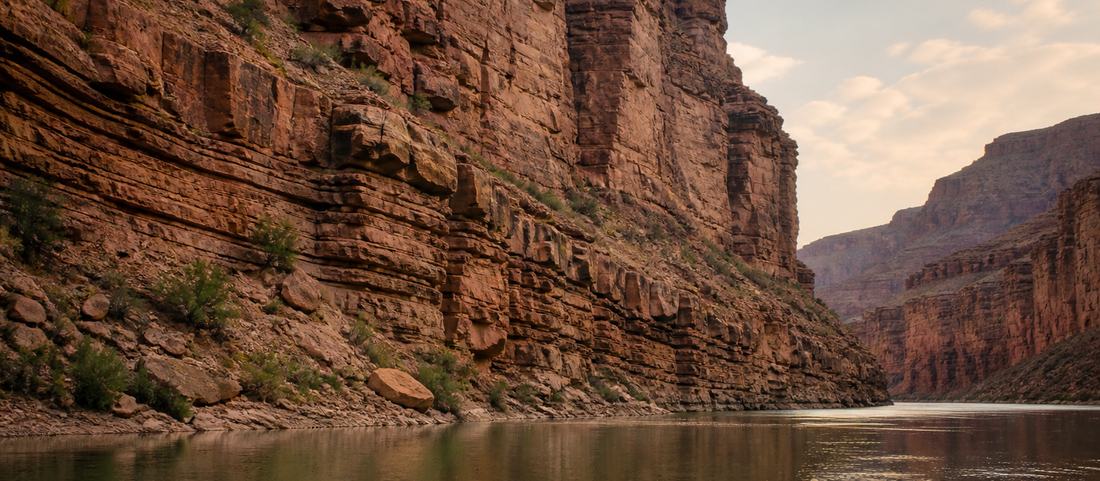
The Shoshone below Cody runs through red rock country, and the guided trips that work this water, long known locally as Red Canyon river trips, take their name from it. Of the Wyoming river trips on offer around town, these are the ones where the landscape is the reason to go.
The run
The appeal here is scenic, not technical. The river passes through canyon walls of red sedimentary rock, and the trip is about being down inside that landscape at water level, which is a view no road gives you. What the water does along the way is covered on the white water page.
Distance is the real difference
Outfitters run two stretches and the choice between them is length, not difficulty. The short canyon run below the dam covers around seven river miles and takes a couple of hours. The Red Canyon run is roughly twelve, and takes the better part of a half day once the drive to the put-in and the shuttle back are counted.
Neither is a different river in terms of what the water does. What the longer trip buys is time in the canyon between the rapids, which is where the scenery is, and enough of it that the geology stops being a backdrop and starts being the point.
The canyon itself
The rock is sedimentary and layered, and the color changes considerably with the light through the day. Late afternoon is when the red genuinely reads as red instead of brown, which is the single most useful thing to know when choosing between departures.
The canyon is also the quiet part of the trip, which is easy to overlook when the marketing leads on whitewater. Between the drops the water flattens and the walls take over, and a good guide stops talking for that stretch on purpose. It is the difference between a fairground ride and a trip through a piece of country you cannot reach any other way.
Why the season runs late here
Shoshone river rafting through the canyon holds up long after a snowmelt river would have dropped out, because this water is released from the reservoir instead of coming off the mountains. In a normal year that keeps the level usable into September, which is why the canyon run is the one still going when the upper stretches have finished.
The practical effect on a trip is small but real: late-season water is lower and slower, so the rapids soften and the drifting stretches between them get longer. For anyone here for the rock, that is an improvement.
The mustangs are the other way
Outfitters here often sell a wild-mustang tour alongside the float, and the two share a booking desk and nothing else. The horses run on the McCullough Peaks range, a BLM herd management area of roughly 110,000 acres lying twelve to twenty-seven miles east of Cody, which is the opposite direction from the canyon. Around 180 animals live there, and the herd is known for the spread of its coat colors: bay, black, sorrel and buckskin through palomino and gray to the blue, red and strawberry roans, with piebald and skewbald patterns among them.
Whistle Creek Road, signed as BLM Road 1213, runs through the range. It is gravel and graded dirt, which is a real consideration in a low-clearance rental and the reason guided half-days exist for the same reason they exist on the river: somebody else drives, and somebody else knows where the animals were standing yesterday.
Common questions
What are Red Canyon river trips?
Guided raft trips on the Shoshone through the red rock canyon country below Cody. The canyon walls are the distinguishing feature of the run, and the reason to choose it over the shorter stretch nearer town.
How long is a Red Canyon trip?
About half a day door to door. The float itself is shorter than that; the drive out to the put-in and the shuttle back are what turn it into an afternoon, which is why no outfitter sells it as a two-hour trip.
Is a morning or an afternoon trip better?
Late afternoon, if the rock is why you are going. The red reads as genuine red instead of brown once the sun is off the vertical, and the difference is large enough to be worth planning around.
Are the wild mustangs anywhere near the canyon float?
No, they are the opposite direction. The horses run on the McCullough Peaks range, a BLM herd management area of roughly 110,000 acres lying twelve to twenty-seven miles east of Cody, while the canyon is west. Outfitters often sell the two from the same desk, which is all they have in common.