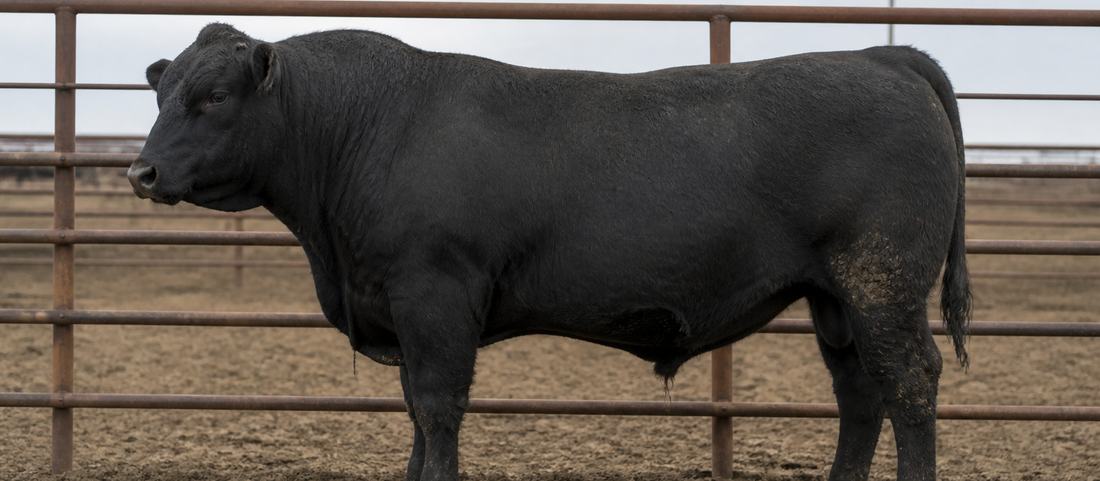
Rodeo Stock at Cody: the Bulls and Horses That Make the Events Work
Published
- Scored
- Yes, half the mark
- Supplied by
- Stock contractor
- Career
- Multi-season
- Selection
- Bred to buck
Half the score in every riding event belongs to the animal, which makes rodeo stock something other than scenery. The bulls and broncs at Cody are the other competitor.
Bred for it
Bucking stock is bred for the job over generations, selected on how it moves, not on size or aggression. The behavior is not distress or wildness. It is a strong, specific athletic trait that the breeding program is built around, and animals that do not have it are not used.
Short work, long careers
A bucking animal works in bursts of a few seconds and does so for years. The best of them become genuinely well known within the sport, drawn deliberately by riders who want the score that only a hard animal can give them.
The stock contractor
The animals are leased in. A stock contractor owns the string, travels it through the season, and supplies it under contract. The quality of a rodeo’s stock is largely the contractor’s reputation, which is why the same names recur across a circuit.
What a high-marked animal does
The judges are marking something more specific than effort. Height behind, a change of direction where a straight line would be easier, a drop that arrives a fraction before the rider expects it, and consistency: an animal that does the same difficult thing every time it leaves the chute is worth more than one that is spectacular twice a season.
This is why an experienced crowd watches the animal out of the gate first. The ceiling on the score is set in the first two jumps.
Watching for it
Once you know the score is split, the events read differently. The crowd reaction to a bull that throws a rider in two seconds is not disappointment. It is recognition that the animal did its half of the job extremely well.
Where a bucking string comes from
Very little of it is chance. Bucking animals are bred for the trait deliberately, from parents picked for the same thing, and young stock is tested with a dummy on its back long before a person is involved. The ones that show the instinct go on; the ones that do not are worth more doing something else, and no amount of handling turns the second group into the first.
There is also a reserve. Rodeos keep a pen of animals set aside for re-rides, so that a cowboy who was fouled or whose flank strap came loose can be given a fresh draw immediately instead of waiting for the next performance.
Retirement
Bucking animals work for years and then stop, and the good ones are generally not sold on. Successful bulls in particular become breeding animals, because the trait that made them difficult to ride is precisely the trait a contractor wants in the next generation.
That is the economic logic underneath the welfare question. An animal that bucks well is worth far more alive, healthy and breeding than it is worth in any other form, and a contractor’s string represents years of selective work that cannot be quickly replaced.
Naming
Good bucking animals are named, and the names travel. Competitors know which bulls they want to draw, spectators recognize them across seasons, and a contractor’s reputation attaches to a handful of individual animals as much as to the string as a whole. It is the clearest sign that the animal is understood as a competitor, not as equipment.
Good animals are also worth protecting from overuse, which is why a contractor’s pen is deeper than a night’s performance requires.
Common questions
Why is the rodeo animal scored?
Because half the difficulty belongs to it. A bull or bronc that bucks hard and unpredictably gives the rider a chance at a high mark; a flat one caps the score no matter how well the rider performs.
Who provides the animals at a rodeo?
A stock contractor, who owns the bucking string, travels it and supplies it under contract. At Cody that is Mo Betta Rodeo Company, run by Maury and Nikki Tate.
Are bucking animals bred for it?
Yes, deliberately, out of parents picked for the same trait. Young animals meet a dummy long before they meet a person, and the ones with no instinct for it are worth more elsewhere.
What makes an animal score well?
Height behind, a change of direction instead of a straight line, a drop that comes a fraction earlier than the rider expects, and consistency. An animal that does the same difficult thing every time out is worth more than one that is spectacular occasionally.